Building Layouts Without Frameworks
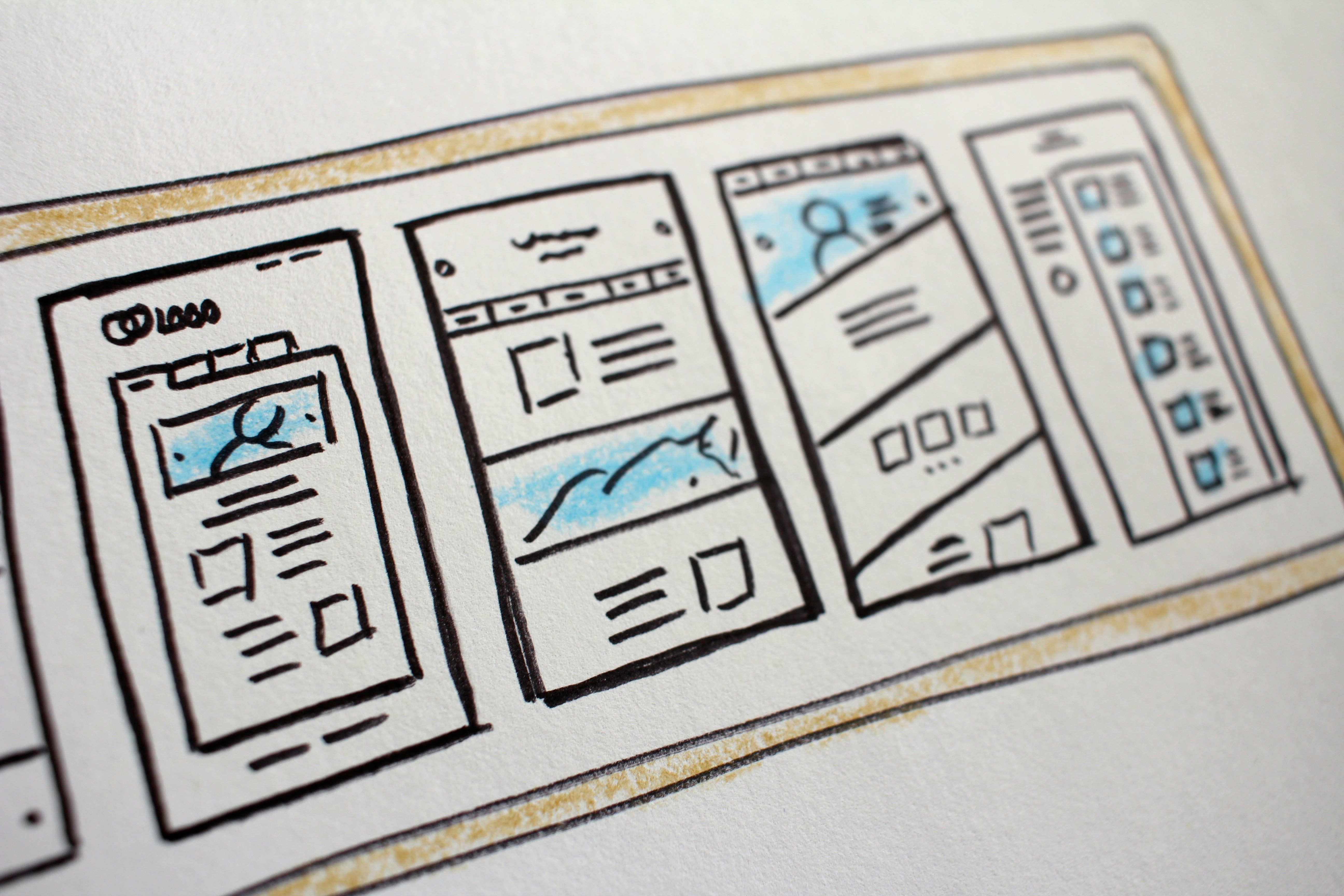
Frameworks are powerful, but they can hide fundamentals. When you build layouts using only HTML and CSS, you understand:
- How structure actually works
- How spacing behaves
- How alignment is controlled
- How components are constructed
This foundation makes you stronger when you later use frameworks like React or Next.js.
Why Start Without Frameworks?
Frameworks provide:
- Prebuilt components
- Utility classes
- Grid systems
But they can create dependency. If you do not understand layout fundamentals, you become reliant on tools instead of skill.
Building from scratch forces clarity.
Understanding Layout at Its Core
Every layout is built from:
- Block elements
- Inline elements
- The box model
- Flexbox or grid
There is nothing magical about modern frameworks. They are abstractions over these core concepts. If you master fundamentals, frameworks become easier.
Flexbox as a Mental Model
Flexbox solves most common layout problems:
- Horizontal alignment
- Vertical centering
- Equal height columns
- Spacing distribution
Instead of fighting layout, you control it. Understanding flex properties deeply gives you independence.
Clean Structure Matters
Good layouts require:
- Clear semantic HTML
- Logical heading hierarchy
- Consistent spacing
- Predictable component structure
Without these, even modern frameworks produce messy results.
Structure first. Styling second.
When to Use Frameworks
Frameworks are useful when:
- Projects grow large
- Reusability matters
- Teams collaborate
- State management becomes complex
But they are not a substitute for understanding layout.Use frameworks as tools — not crutches.
Final take
If you can build a clean, responsive layout using only HTML and CSS, you are already ahead of many beginners. Master the fundamentals. Frameworks will then feel like shortcuts, not necessities.